SERP API Outage Survival: The Emergency SEO Playbook
A SERP API outage can starve your keyword tools for days. Use freshness-tier triage to freeze features onto cache, communicate the gap, and survive it.

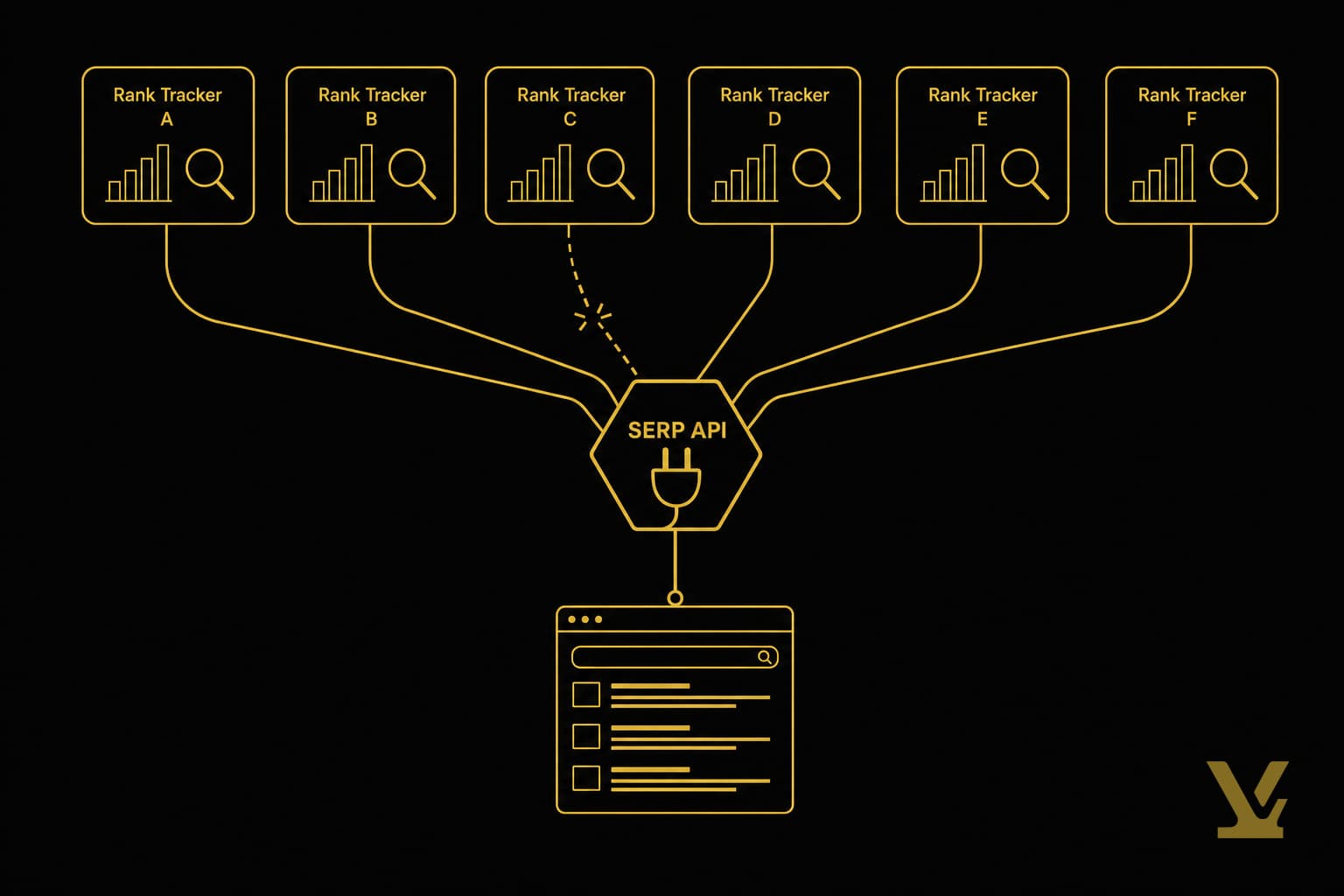
A SERP API outage used to be a monitoring footnote. A provider blips, a queue backs up, the graphs recover by lunch. The legal pressure now surrounding SerpApi and the wider business of scraping Google changes that risk profile completely. When the interruption is a takedown, a rate-limit clampdown, or a sudden pricing shock rather than a transient error, your keyword-research features can lose their data supply for days, not minutes. Treat that scenario as a product-continuity event, not an incident-response drill.
Here is the counterintuitive part, and the thesis of this piece. Your first move is not to find a replacement feed. It is freshness-tier triage: sorting every SERP-dependent feature by how fresh its data genuinely needs to be. Most of what your product markets as real-time survives comfortably on data a day or two old. Prove which features actually die without a live SERP, freeze the rest onto cache, and a P0 outage becomes a scheduled degradation you can survive.
Why a SERP API outage is suddenly your problem
The trigger here is legal, not technical. A dispute over the right to scrape and resell Google's search results has put SerpApi, and every provider built on the same model, under a cloud of contractual and copyright risk. The mechanism matters less than the exposure it creates. Google's Terms of Service prohibit sending automated queries without permission (Google Terms of Service), so any product whose keyword data ultimately derives from scraped SERPs inherits that provider's legal fragility, whether you scrape yourself or simply buy the feed.
The law itself is genuinely unsettled. Courts have found that scraping publicly accessible data is not automatically a violation of the Computer Fraud and Abuse Act, and the long-running hiQ Labs v. LinkedIn case is the usual reference point. That ruling did not bless scraping in general, though. Contract claims, copyright in the arranged results, and terms-of-service breaches all survive it. For a downstream SEO tool, the practical translation is blunt: your data supply now carries a risk you do not control and cannot fully price.
The exposure shows up in three places at once:
- Interrupted feeds. A provider that throttles or halts leaves your live features serving nothing, or worse, serving silence the UI renders as normal.
- Pricing shocks. Legal cost gets passed downstream as higher per-query rates or shrunken quotas, which is an outage in economic terms even when the endpoint still responds.
- Lost signals. Rank tracking, volatility detection, and SERP-feature parsing degrade first, because they are the parts that depend most directly on a fresh, complete scrape.
If you have been arguing that third-party keyword tools are becoming irrelevant, this is the more precise version of that case (it is the raw-data layer that is fragile), not the analysis built on top of it. Features that fuse, model, and interpret SERP signals keep their value. The ones that merely relay a live scrape are the exposed surface.
Immediate risks for keyword research and SERP-dependent workflows

Not every feature fails the same way, and that difference is the whole game. Before you can triage, name the specific ways a data outage degrades a keyword-research product, feature by feature (a reminder of what a SERP actually contains helps here):
- Data latency. Volume, difficulty, and position numbers go stale while the interface keeps rendering. The risk is silent: nothing looks broken, the figures are just quietly wrong.
- Missing SERP features. Featured snippets, People Also Ask, local packs, and shopping units vanish first, because each one needs a live parse to detect.
- Regional inconsistency. Geo-targeted results degrade unevenly. A feed can hold for US English and collapse for long-tail locales, so the failure is patchy rather than total.
- Quota and pricing spikes. Even a surviving feed can double in price or halve in quota overnight, which forces the same rationing you would do in a hard outage.
The business impact concentrates in your premium tiers. Heavy users run the largest lists and the most frequent refreshes, so they notice stale data first and cost the most to refund. A data outage is a revenue event before it is an engineering one.
Emergency triage checklist for your SEO stack (0-48 hours)

Freshness-tier triage runs in the first two hours and sets up everything after it. Sort every SERP-dependent feature into three tiers by how fresh its data must be to stay honest:
- Tier 0, genuinely live. Same-day rank deltas, volatility alerts, anything a customer refreshes expecting today's number. This tier is small, and it is the only surface that truly needs a live feed.
- Tier 1, daily-fresh. Keyword difficulty, volume trends, SERP-feature presence. A cache measured in a day or two is invisible to the user as long as you date it.
- Tier 2, reference. Historical charts, saved reports, competitive snapshots. These never needed a live feed at all and should never have been coupled to one.
With features tiered, the first 48 hours have a clear order of operations:
- Freeze Tier 1 and Tier 2 onto your last good snapshot and flip a banner that dates the data.
- Explicitly degrade or disable Tier 0 features rather than letting them serve stale numbers under a live label.
- Draft the customer message now, before the feed is confirmed dead, so comms are not the bottleneck later.
- Pull the provider contract and locate the termination, SLA, and data-portability clauses before you need to invoke them.
- Stand up synthetic checks that alert when a specific SERP feature stops parsing, so you learn about degradation before customers do.
Quick technical steps to stopgap data loss
The stopgaps below are deliberately boring. Each should be a config change or a feature flag, never a rewrite:
- Enable cached mode. Serve your stored last-known-good index and stamp every number with its capture time.
- Repoint reads at your historical store. Most dashboards can read yesterday's data behind a config flag rather than a live call.
- Kill non-critical polling. Stop background refresh jobs that burn quota with no user watching the result.
- Gate live-only features behind flags. One flag per feature lets you dark the exposed surface in a single deploy, not ten.
- Add synthetic SERP canaries. A handful of query probes that assert expected features are present catch a degraded feed long before user reports do.
Short-term mitigations and alternative SERP data feeds

Once the bleeding is stopped, you have days rather than minutes to evaluate alternatives. Resist the sprint to the first replacement API. The freshness triage exists precisely to buy that runway, so spend it deliberately. Realistic short-term options fall into four buckets, each with a different risk shape:
- Another commercial SERP API. Fastest to integrate, but you may be moving onto a provider carrying the same legal exposure. Diversify across two rather than swapping one single point of failure for another.
- Residential or browser-based providers. Higher coverage and freshness, higher cost, and the sharpest legal edge of the four.
- Cached third-party indexes. Services that resell stored SERP snapshots trade freshness for materially lower legal risk, which is often the right trade mid-crisis.
- First-party telemetry. Your own users' performance data and on-site behavior. Slow to accumulate, but unambiguously yours to use.
Two free, first-party signals deserve more credit than they get in an emergency. Google Search Console reports real impressions, clicks, and average position for domains you control (Search Console), which is defensible data you already own. Google Trends adds relative-interest direction at no cost (Google Trends). Neither replaces a full SERP feed, but both keep core keyword features honest while you rebuild. For a wider inventory of what your team can lean on, our rundown of the SEO tools most teams already run is a useful starting map.
Whatever source you fall back to, treat its numbers as provisional. Every keyword tool is biased in predictable ways, and an unfamiliar or degraded feed only amplifies that, so correct those tool errors before you trust a single number.
Tradeoffs: accuracy, cost, and legal exposure
Score every candidate on three axes before you route a single query to it:
- Freshness and coverage. Does it parse the SERP features your product actually shows, in the locales your customers actually use? A cheaper feed that misses local packs is not cheaper.
- Total cost under stress. Model the per-query price at your peak fallback volume, not your average, because legal shocks tend to raise prices exactly when your volume spikes. The true-cost math rarely favors the sticker price.
- Contractual and legal risk. Read the indemnification and data-source clauses. A provider that cannot tell you where its data comes from is a liability you are quietly inheriting.
Product and architecture changes to reduce SERP dependence
The outage is temporary; the lesson should be structural. The teams that weather this best have already stopped treating the live SERP as a single point of failure. Three architectural moves carry most of the resilience:
- Graceful degradation by default. Every SERP-dependent feature needs a defined behavior when the feed is gone: a dated cached value, a clear last-updated stamp, or an honest disabled state. Never a blank, and never a stale number wearing a live label.
- Hybrid signals. Fuse historical indexes, sampled live checks, and first-party telemetry so no single feed can dark your core value. This is the same layering that makes cached mode survivable in the first place.
- Sampling over saturation. You rarely need to refresh every keyword every day. Refresh a representative sample live and interpolate the rest, and you cut both quota cost and outage exposure at once.
One tempting move is the wrong one. Do not decide to build an in-house SERP pipeline in the middle of a legal shock. That is the moment of peak cost and peak scrutiny, the worst possible time to take on the exact liability that just took down your provider. The correct emergency sequence is degrade, then diversify, then decide. Building, if it makes sense at all, is a calm-quarter decision, not a crisis reflex.
How to communicate the outage to customers and stakeholders
Trust is lost in the gap between when a product breaks and when the company admits it. In a data outage the temptation is to stay quiet because the interface still renders. That is exactly the trap. Customers will find the stale numbers themselves and conclude you hid it, which costs far more than the outage did.
- Lead with a dated banner. An in-app "data as of [date]" stamp on affected features is the highest-trust move available in the first hour, and it is nearly free to ship.
- Send the proactive note. Tell paying customers which features are affected, the cause in one plain sentence, and the date you will next update them. Do not promise a fix date you cannot hit.
- Set SLA expectations explicitly. If your terms guarantee freshness, map the outage to credits and say so before customers ask.
- Offer credits by default. A proactive credit to the heaviest-hit tiers costs less than a churned annual account and reads as integrity rather than weakness.
- Close with a roadmap line. A single sentence naming the resilience work this triggered turns an outage into evidence that you are the safer vendor.
How VarynForge fits in
This outage is a preview of why resilient keyword research cannot rest on a single live scrape. VarynForge fuses historical indexes with modeled signals so your research keeps working when a raw SERP feed goes dark, which is exactly the graceful degradation this playbook argues for. Explore contingency-friendly keyword research with VarynForge.
Further Reading
Sources
- Google Terms of Service
- EFF: hiQ Labs v. LinkedIn case summary
- Google Search Central documentation
- Google Search Console
- Google Trends
Key Takeaways
A SERP API outage is no longer a transient blip. The legal pressure on scraped-search providers turns it into a genuine product-continuity risk. The winning first move is freshness-tier triage, not a frantic feed swap: freeze the daily-fresh and reference features onto cache, isolate the small live-only surface, and communicate the degradation with dated, honest banners. Use the runway that buys you to diversify providers, lean on first-party signals like Search Console, and make graceful degradation a permanent part of your architecture. Build in-house only in a calm quarter, never mid-crisis. The teams that treat this outage as a forcing function for resilience come out of it as the safer vendor, and they should say so plainly.
Frequently asked questions
What should I do in the first hour if my SERP provider stops returning results?
Do not start shopping for a replacement API in the first hour. Run freshness-tier triage instead. Sort every SERP-dependent feature into three buckets: genuinely live features that customers expect to change today, daily-fresh features that a one-to-two-day-old cache serves invisibly, and reference features that never needed a live feed at all. Freeze the second and third buckets onto your last good snapshot and stamp every number with the date it was captured. Explicitly disable or degrade the small live-only surface rather than letting it serve stale figures under a live label. That single hour of sorting converts a total outage into a scheduled, communicable degradation and buys you days of runway to make calmer decisions.
Which short-term SERP data alternatives are fastest to integrate, and what are their accuracy limits?
The fastest swap is another commercial SERP API, because it usually matches the response shape you already parse. The catch is that a like-for-like provider often carries the same legal exposure, so diversify across two feeds rather than replacing one single point of failure with another. Residential or browser-based providers offer higher freshness and coverage but cost more and sit closest to the legal edge. Cached third-party indexes trade freshness for materially lower legal risk. First-party telemetry, such as your own Search Console data, is the most defensible but accumulates slowly. Accuracy limits cluster around SERP features and locales: cheaper or cached feeds tend to miss local packs, People Also Ask, and long-tail regional results first, so validate coverage against the features your product actually displays before you route real traffic to any of them.
Can I legally start scraping Google directly if my API provider goes down?
This is not legal advice, and the honest answer is that it is genuinely unsettled. Courts have found that scraping publicly accessible data is not automatically a Computer Fraud and Abuse Act violation, and the hiQ Labs v. LinkedIn case is the usual reference point. That ruling did not make scraping broadly legal, though. Google's Terms of Service prohibit sending automated queries without permission, and contract, copyright, and terms-of-service claims all remain live even where the CFAA does not apply. Standing up your own scraper during a legal shock is the worst-timed move you can make, because it takes on the exact liability that just disrupted your provider, at the moment of peak scrutiny. Talk to counsel before you write a single line of scraper code.
How do I change my product to survive without fresh SERP snapshots for days or weeks?
Design for graceful degradation as the default state, not the exception. Every SERP-dependent feature should have a defined behavior when the feed is absent: a dated cached value, a clear last-updated stamp, or an honest disabled state, never a blank screen or a stale number pretending to be live. Fuse hybrid signals so no single feed can dark your core value, combining historical indexes, sampled live checks, and first-party telemetry. Adopt sampling over saturation by refreshing a representative sample of keywords live and interpolating the rest, which cuts both quota cost and outage exposure at the same time. These are architectural habits that also make everyday operation cheaper and steadier.
What should I tell paying customers, and how do I handle refunds or credits?
Communicate early, because trust is lost in the gap between when a product breaks and when the company admits it. Ship a dated in-app banner on affected features within the first hour, then send a proactive note that names the affected features, states the cause in one plain sentence, and gives a date for your next update rather than an over-promised fix time. If your terms guarantee data freshness, map the outage to credits and say so before customers ask. Offer credits by default to the heaviest-hit tiers; a proactive credit costs far less than a churned annual account and reads as integrity rather than weakness. Close with one sentence naming the resilience work the outage triggered.
Is building an in-house SERP pipeline a realistic option given the time, cost, and legal risk?
It can be, but almost never as a crisis reflex. Building your own SERP pipeline means taking on the same scraping liability that just disrupted your provider, plus the ongoing cost of proxies, parsing, and maintenance as Google's result layouts change. Doing that mid-outage stacks peak legal scrutiny on top of peak engineering pressure, which is the worst possible combination. The correct emergency sequence is degrade, then diversify, then decide. If in-house infrastructure genuinely makes sense for your scale, treat it as a deliberate, calm-quarter investment with legal review and a real maintenance budget, not something you spin up in a weekend to plug an outage.